


Fall Prevention at Home: Medical Equipment for Seniors
Fall Prevention at Home: Medical Equipment That Can Help Older Adults Stay Safer
For many older adults, staying in their own home for as long as possible is an important goal.

But as mobility, balance, strength or endurance changes, everyday areas of the home can become more difficult to navigate. A bathroom floor, the walk from the bedroom to the kitchen, getting up from a chair, or stepping into a shower may require more planning than before.
Falls are also a significant concern for older adults. According to the Centers for Disease Control and Prevention (CDC), more than 14 million adults age 65 and older — about 1 in 4 — report falling each year.
The good news is that falls are not simply an inevitable part of aging. The CDC recommends several fall-prevention strategies, including addressing home hazards, improving lighting, installing grab bars and railings, discussing medications with a healthcare provider, and working on strength and balance.
For families in Las Vegas and Henderson, the right home medical equipment may also be part of creating a safer and more manageable living environment.
Here are some of the products and home modifications worth considering.
Start With a Home Safety Walk-Through
Before purchasing medical equipment, take a careful look around the home.
Try to view each room from the perspective of someone who has difficulty with balance, walking, bending, standing or transferring.
Look for potential problems such as:
-
Loose rugs
-
Cluttered walkways
-
Electrical cords across walking paths
-
Poor lighting
-
Slippery bathroom surfaces
-
Difficult transitions between flooring
-
Stairs without secure handrails
-
Frequently used items stored too high or too low
-
Furniture that is difficult to get into or out of
The CDC specifically recommends removing tripping hazards, adding grab bars around tubs, showers and toilets, installing railings on both sides of stairs, and improving lighting throughout the home.
Medical equipment can be useful, but it should be considered as part of a broader safety plan based on the individual's needs.
1. Walkers and Rollators
For someone who has difficulty walking steadily, a walker or rollator may provide additional support.
Although the terms are sometimes used interchangeably, these devices are not necessarily the same.
Standard and Wheeled Walkers
Walkers generally provide a stable frame that the user holds while walking. Depending on the model, they may have no wheels or wheels on the front.
Rollator Walkers
Rollators typically have wheels, hand brakes and a seat, although exact features vary by model.
The built-in seat can be particularly useful for someone who needs periodic rest breaks while moving around the home or community.
The appropriate walking aid depends on the user's balance, strength, mobility and other individual factors. A healthcare professional can provide guidance when clinical assessment is needed.
2. Canes
A cane is a simpler mobility aid that may be appropriate for some individuals who need additional walking support.
Different styles are available, including standard and multi-point configurations.
Proper height and use are important. A cane that is incorrectly sized or used improperly may not provide the support the user expects.
If you are uncertain whether a cane, walker or rollator is appropriate, discuss the user's mobility needs with an appropriate healthcare professional.
3. Shower Chairs

Bathrooms deserve particular attention when evaluating home safety.
Water, smooth flooring and the need to step, turn, bend and transfer can create challenges for someone with limited balance or mobility.
A shower chair provides a seated surface while showering and may reduce the amount of time a person needs to remain standing.
Available designs vary, so consider the dimensions of the shower or tub, the user's size and weight, and how the person enters and exits the bathing area.
4. Tub Transfer Benches
Getting over the side of a bathtub can be difficult for someone with reduced balance or leg strength.
A tub transfer bench is designed to extend across the side of the tub, allowing the user to sit before moving their legs into the bathing area.
This is different from a standard shower chair, which generally sits entirely inside the bathing area.
Before purchasing a transfer bench, check the bathroom layout carefully. Tub dimensions, doors, fixtures and available floor space can affect whether a particular model will fit.
5. Grab Bars and Bathroom Safety Equipment
The CDC specifically recommends installing grab bars inside and outside the tub or shower and next to the toilet as part of making a home safer.
Grab bars are available in different lengths and configurations.
Installation matters. A grab bar intended to support body weight needs to be installed according to its manufacturer's instructions and attached to an appropriate mounting surface.
Other bathroom safety products may include toilet safety frames and other transfer-support equipment, depending on the individual's needs and home layout.
6. Bedside Commodes
Walking to the bathroom at night can be challenging for someone with limited mobility.
A bedside commode provides a toileting option closer to the bed when appropriate.
Some commodes may also have configurations for use around an existing toilet, depending on the specific product.
When selecting one, consider the user's size, weight capacity, seat dimensions, adjustability and available space.
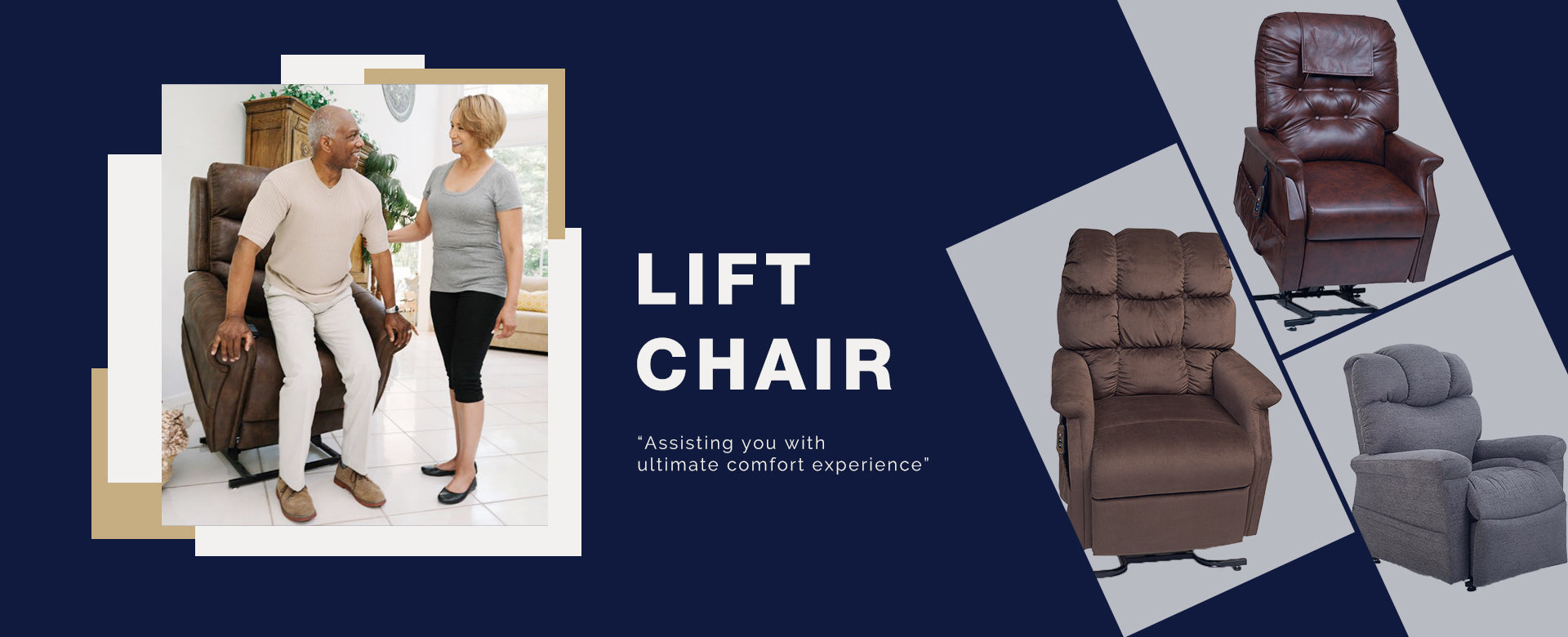
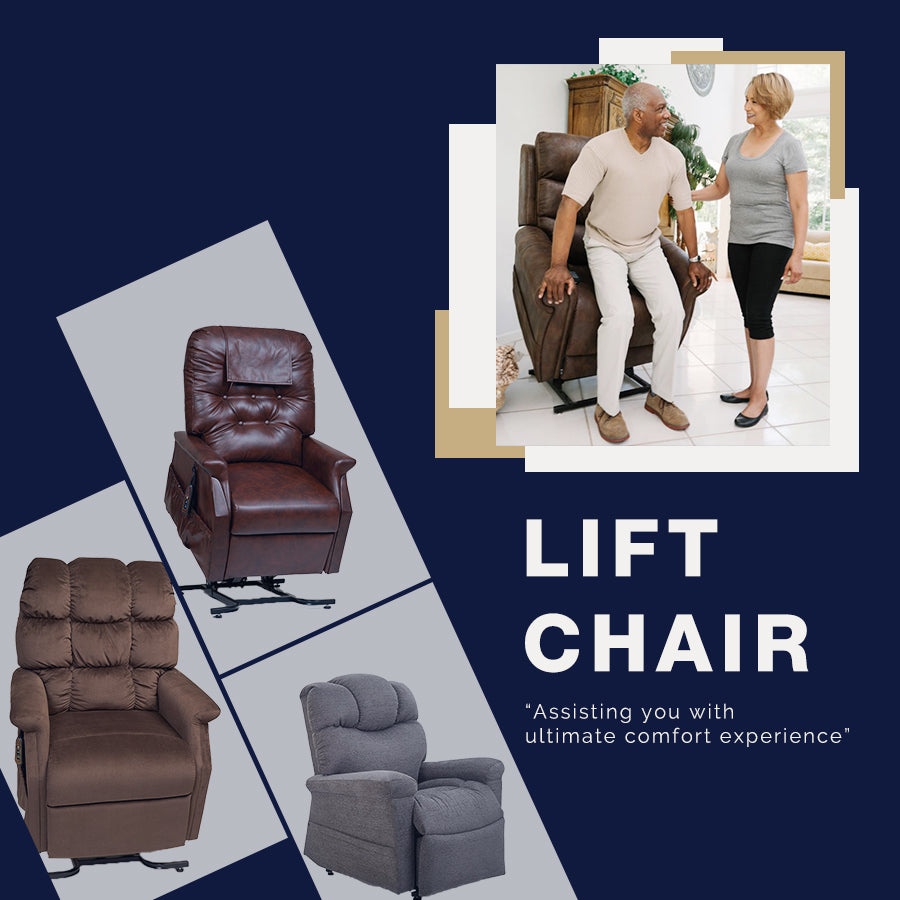
7. Lift Chair Recliners

Standing up from a low chair can become difficult when leg strength or mobility is limited.
A power lift chair recliner uses a powered mechanism to raise the chair and assist the user toward a standing position.
Lift chairs are available in different sizes, configurations and weight capacities. Proper fit is important, so consider the user's height, weight and seating needs rather than choosing a chair based only on appearance.
A lift chair rental in Las Vegas or Henderson may also be worth considering when the chair is needed temporarily, such as during recovery or while a family member is staying locally.
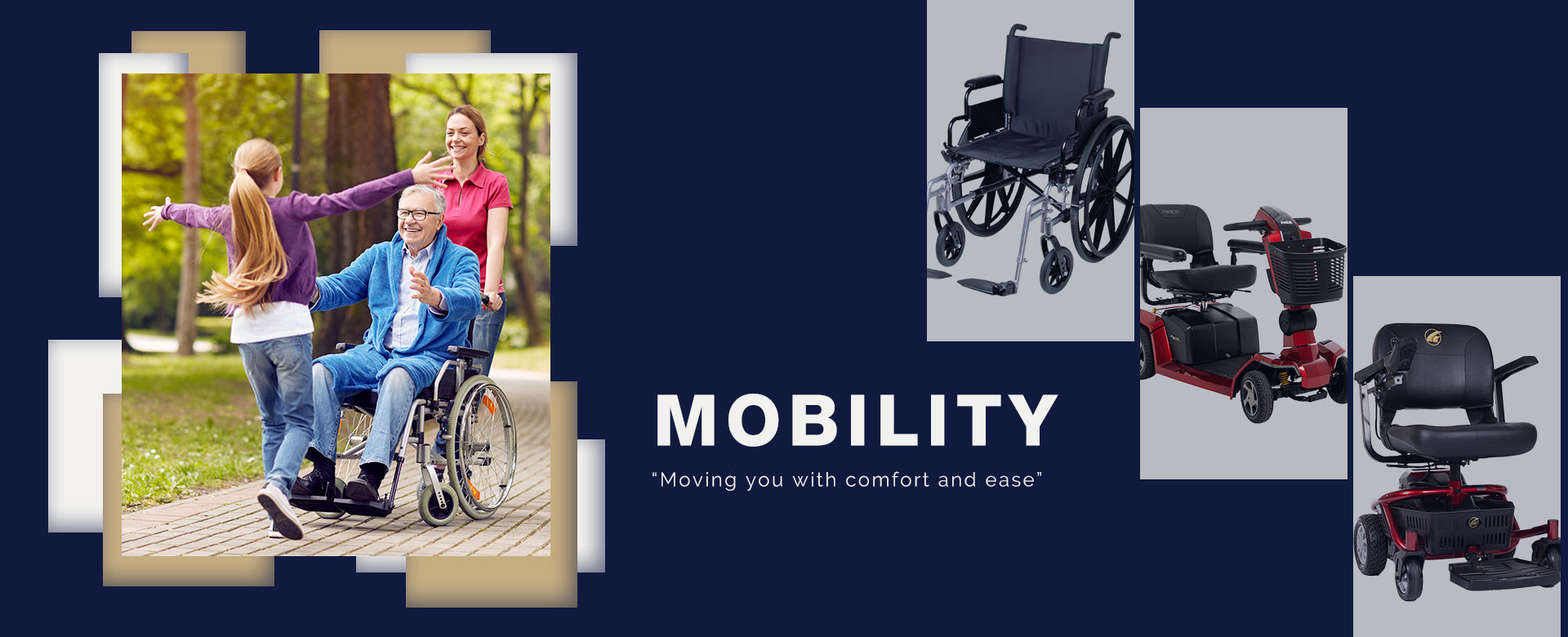
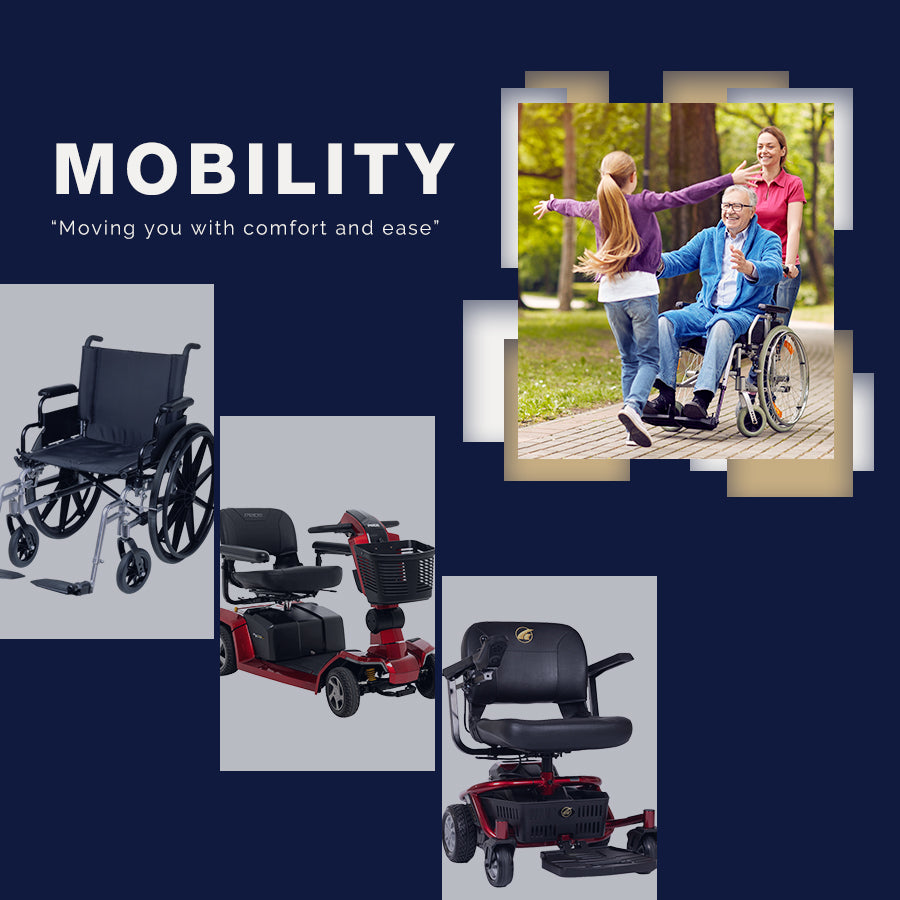
8. Wheelchairs and Transport Chairs
A wheelchair may be useful when walking longer distances has become difficult or when someone needs temporary mobility assistance during recovery.
There are several types of wheelchairs, including standard manual wheelchairs, transport chairs and other configurations.
A transport chair is designed to be pushed by another person, while many standard manual wheelchairs allow the user to propel the chair using the rear wheels.
Choosing the appropriate wheelchair requires considering factors such as:
-
User weight
-
Seat width
-
Ability to self-propel
-
Caregiver availability
-
Intended use
-
Transportation requirements
-
Required weight capacity
For temporary needs, wheelchair rental in Las Vegas and Henderson may be an alternative to purchasing equipment.
9. Hospital Beds for Home Care and Recovery

Some individuals need more positioning and caregiving assistance than a conventional bed can provide.
A home hospital bed can provide adjustable positioning, depending on the type of bed and its features.
Hospital beds may be considered during recovery after hospitalization, temporary home care, longer-term caregiving or other situations where adjustable positioning is needed.
Before arranging a hospital bed, consider:
-
Available room space
-
Clear delivery access
-
User size and weight
-
Required bed configuration
-
Mattress requirements
-
Caregiver access around the bed
-
Any accessories that may be needed
For temporary needs, hospital bed rental in Las Vegas or Henderson may be available rather than purchasing a bed.
10. Patient Lifts and Transfer Equipment

Transfers can become one of the more difficult parts of caregiving when a person has significant mobility limitations.
Patient lifts are designed to assist with certain transfers between surfaces such as a bed and wheelchair.
However, choosing a patient lift requires careful consideration.
The appropriate equipment can depend on the user's weight, ability to bear weight, transfer requirements and other factors. Patient lifts also require compatible slings, and sling selection is important.
If you are unsure what type of transfer equipment is appropriate, consult an appropriate healthcare professional and discuss the equipment requirements with the medical equipment provider before ordering.
Medical Equipment Is Only Part of Fall Prevention
No single piece of equipment can prevent every fall.
Fall risk can involve multiple factors, including strength, balance, vision, medications, footwear and hazards in the home.
The CDC recommends that older adults discuss fall risk with their healthcare provider. Other recommendations include having medications reviewed, having vision checked, participating in appropriate strength and balance exercises, and making the home safer.
Families should therefore think beyond simply purchasing a walker or installing a grab bar.
Ask a broader question:
What makes everyday activities difficult or unsafe in this home?
That may reveal several areas worth addressing.
Room-by-Room Home Safety Checklist
Bathroom
Consider:
-
Grab bars
-
Shower chair
-
Tub transfer bench
-
Toilet safety equipment
-
Adequate lighting
-
Clear, dry walking surfaces
Bedroom
Consider:
-
Clear pathways around the bed
-
Easy-to-reach lighting
-
Bed height and transfer needs
-
Bedside commode when appropriate
-
Mobility aid within reach
-
Hospital bed or other positioning equipment when needed
Living Room
Consider:
-
Removing loose rugs and clutter
-
Keeping cords away from walking areas
-
Maintaining wide, clear pathways
-
Seating that is easier to enter and exit
-
Lift chair recliner when appropriate
-
Adequate lighting
Hallways and Stairs
Consider:
-
Bright lighting
-
Secure handrails
-
Clear walking paths
-
Removing objects that create tripping hazards
The appropriate changes will vary from one person and home to another.
Should You Buy or Rent Medical Equipment?
That depends largely on how long the equipment will be needed.
Purchasing may make sense for equipment expected to be used regularly over a longer period.
Renting may be more practical when equipment is needed temporarily, such as during:
-
Recovery after surgery
-
Recovery after hospitalization
-
Rehabilitation
-
A temporary change in mobility
-
A family member's visit
-
Short-term caregiving
-
Travel to Las Vegas
-
Temporary replacement of existing equipment
State Medical Equipment offers both medical equipment sales and rentals, depending on the product and current availability.
Where to Find Home Medical Equipment in Las Vegas & Henderson
If you are helping a parent, spouse or other family member remain at home, you may need several types of equipment rather than a single product.
State Medical Equipment is a local medical equipment and medical supply store serving Las Vegas and Henderson, Nevada.
Available equipment may include mobility products, wheelchairs, walkers, rollators, bathroom safety equipment, hospital beds, patient lifts, lift chairs, respiratory equipment and other home medical equipment.
Rental inventory is also available for temporary needs.
Because sizing, weight capacities, configurations and availability vary by product, contact us if you need help finding a particular type or size of equipment.
Need Help Finding Medical Equipment in Las Vegas?
Whether you're preparing a home for an older family member, helping someone recover after hospitalization, replacing existing mobility equipment or looking for a temporary rental, our team can help you review available options.
State Medical Equipment
3950 East Sunset Road, Suite 112
Las Vegas, NV 89120
Phone: (702) 538-9555
Website: statemedicalequipment.com
Email: help@statemedicalequipmentlv.com
We serve customers throughout Las Vegas and Henderson with medical equipment sales, rentals, delivery and pickup options depending on the equipment and location.
If you need rental equipment urgently or the same day, call before ordering so availability and delivery options can be confirmed.
This article provides general information and is not a substitute for medical advice or an individualized fall-risk or mobility assessment. Speak with an appropriate healthcare professional about medical, mobility or fall-prevention recommendations for your individual situation.